Software Engineer

I build the systems a business actually runs on.

Over seven months I designed and shipped five production systems — a flight-school operations platform, a loan servicing and payments platform, an automated marketing reporting tool, a business-intelligence dashboard, and a multi-tenant cloud phone system.

My work sits mostly at the back: database schemas, migrations, authentication, AWS infrastructure, and the reliability details that decide whether a system is still trustworthy in month three.

Your headshot

Drop a photo at assets/headshot.jpg — portrait crop works best

5production systems
316klines shipped
214database migrations
7months, Apr–Oct 2026

Selected work

Five systems, and the problem each one actually solved

Every one of these went into production and stayed there. The interesting part of each was rarely the feature list — it was a constraint that looked small and turned out to decide the whole design.

FlightOps

flight-ops

Backend, schema & infrastructure owner · 216k lines · 214 migrations · two locations

Problem

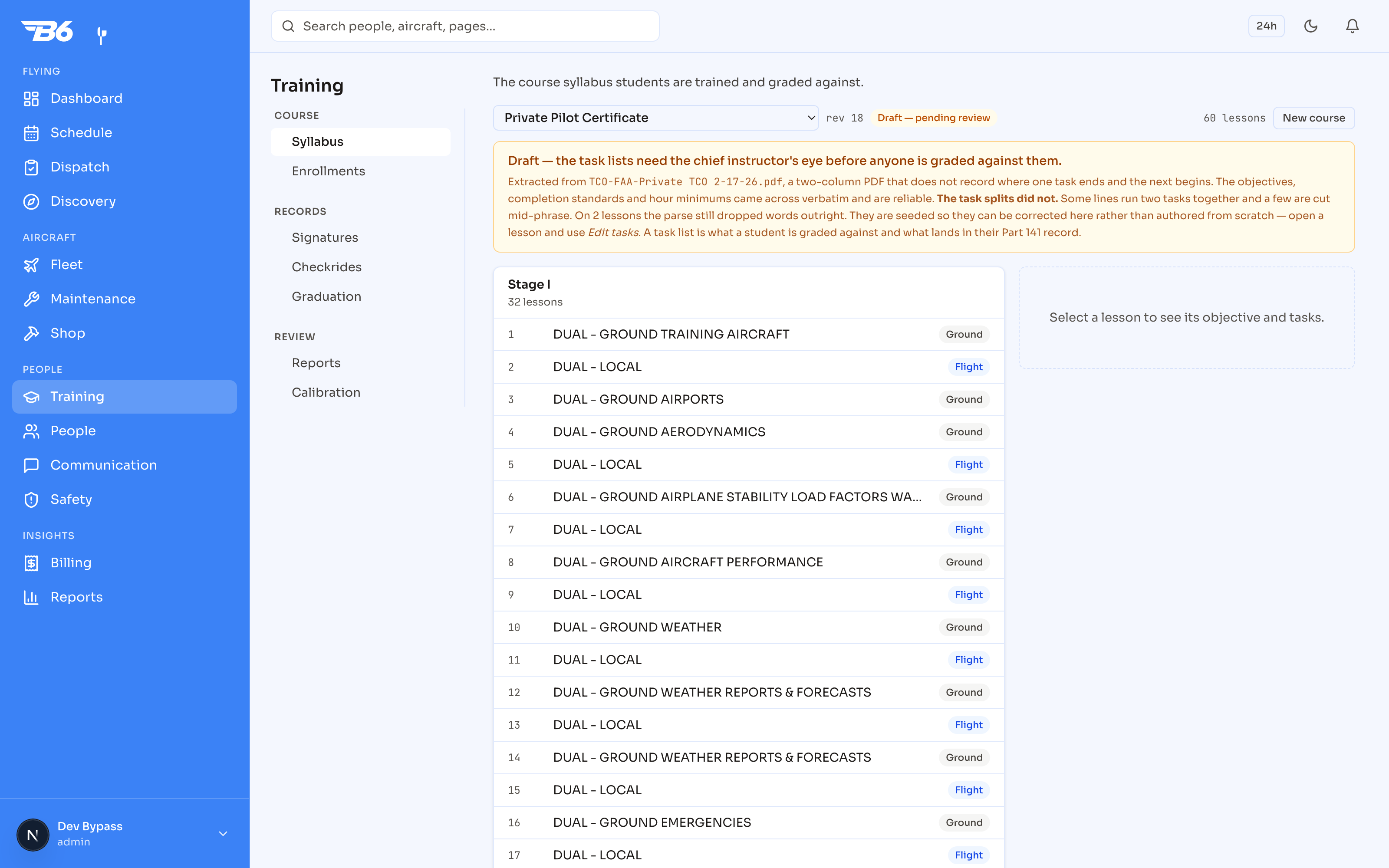
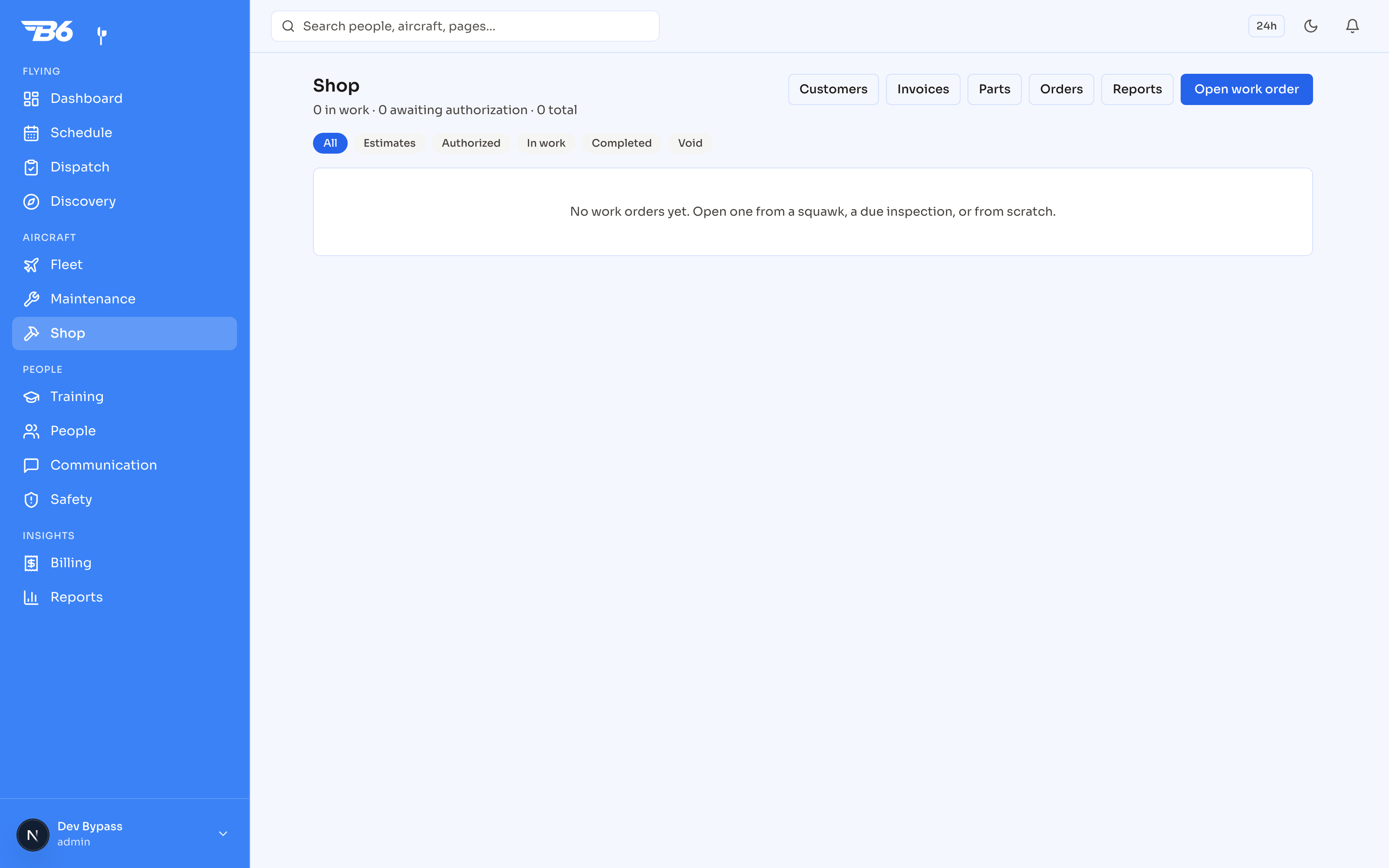
A flight school was running on a commercial management product that did not fit how they operated. Replacing it meant rebuilding scheduling, dispatch, billing, maintenance and FAA Part 141 training records — and being right about aviation regulation, which is full of rules that look simple and are not.

Approach

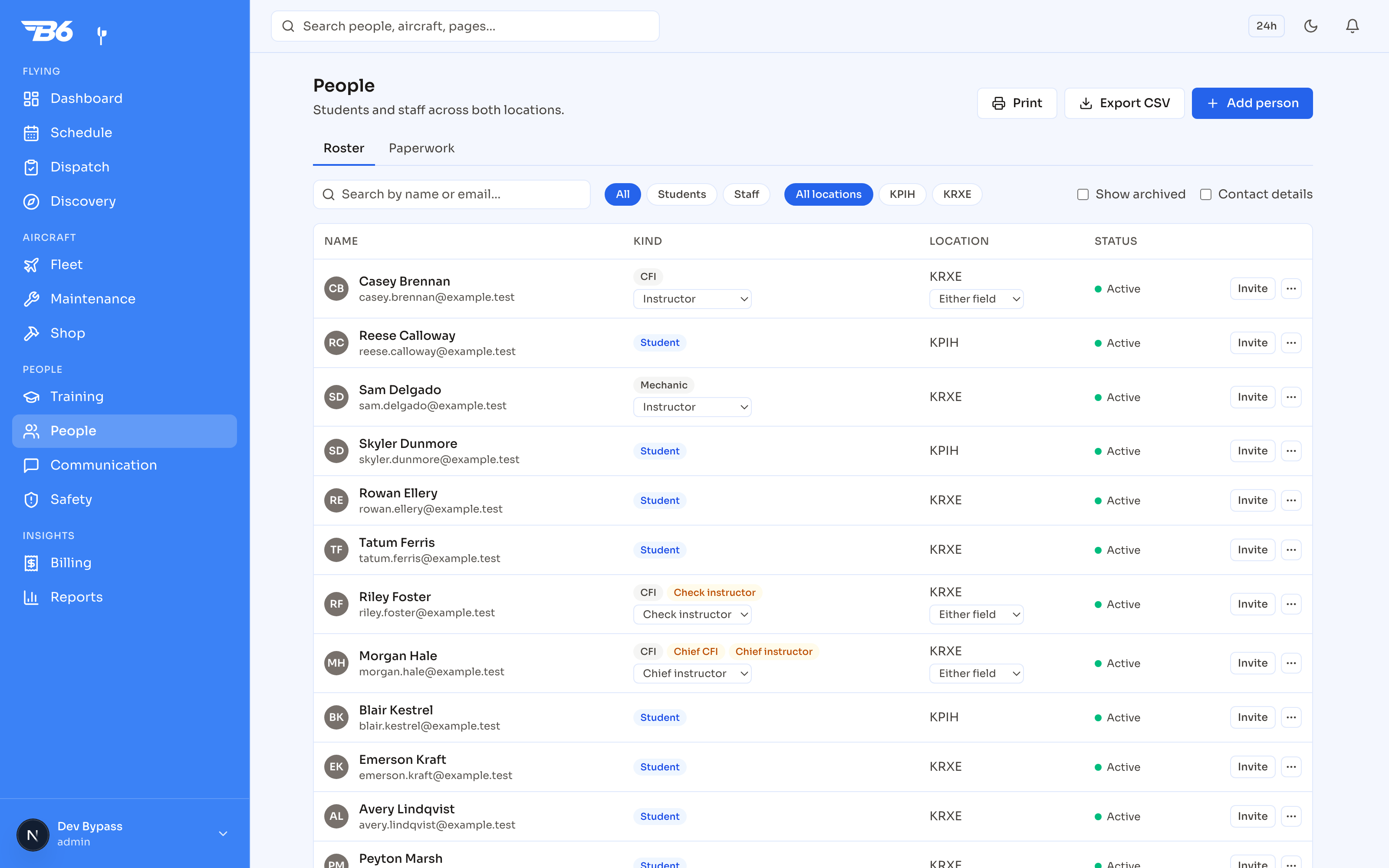
I owned the database schema and all 214 migrations, authentication, the AWS infrastructure and the scheduled import jobs, while a second developer built the application layer on top. A student's medical certificate expires on a schedule that depends on their age at the time of the exam; a flight review is due 24 calendar months later, meaning the end of that month, not the same date. The Part 141 health screen computes these windows exactly and shows its working.

Outcome

In production across both campuses, replacing the vendor. The audit log is append-only and enforced by a database trigger rather than convention, with a test that tries to rewrite history and requires the error — because row-level security does not bind the table owner, and a later migration could silently drop the protection.
PostgreSQL / Aurora Next.js AWS Amplify Cognito append-only audit log idempotent imports
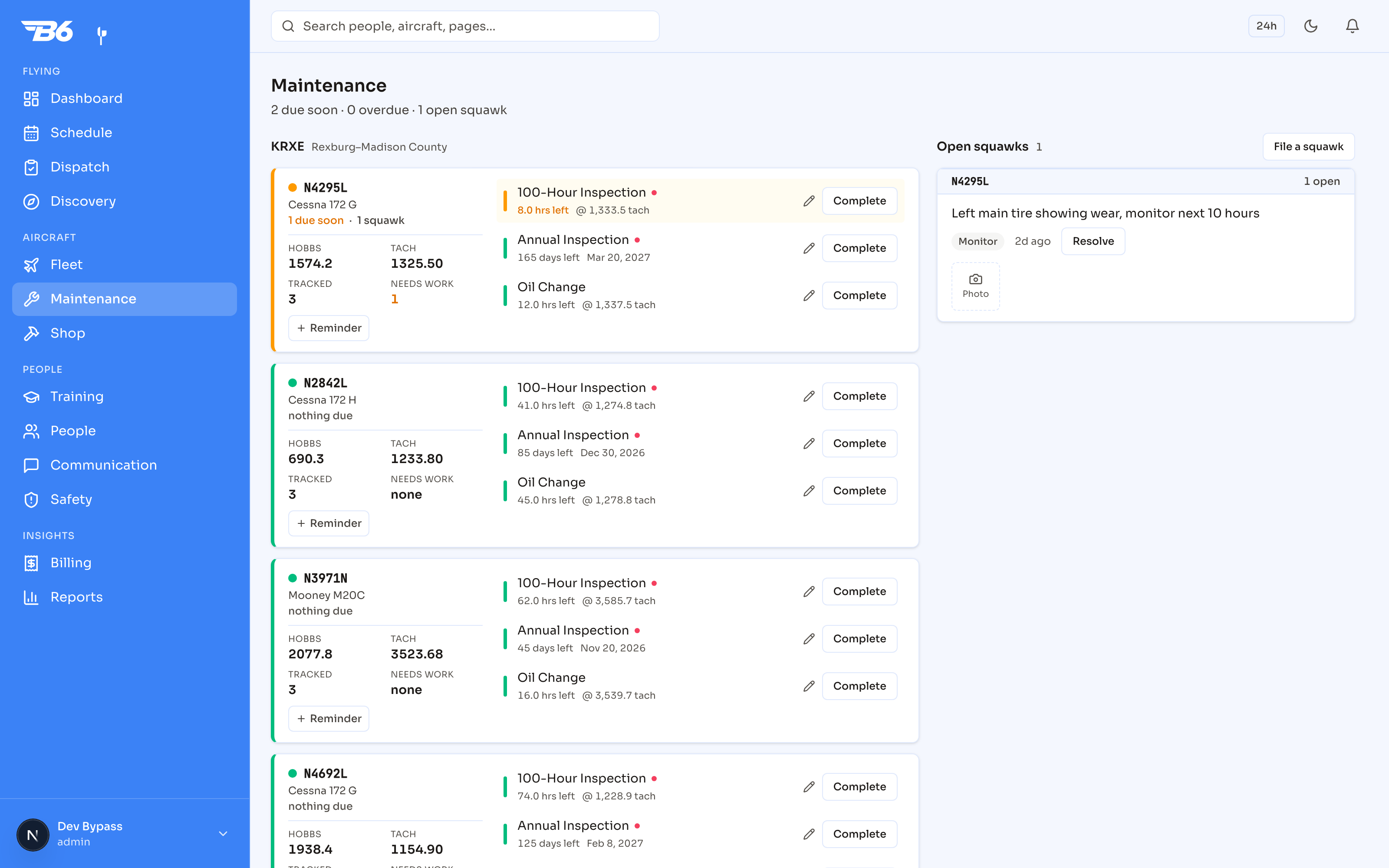
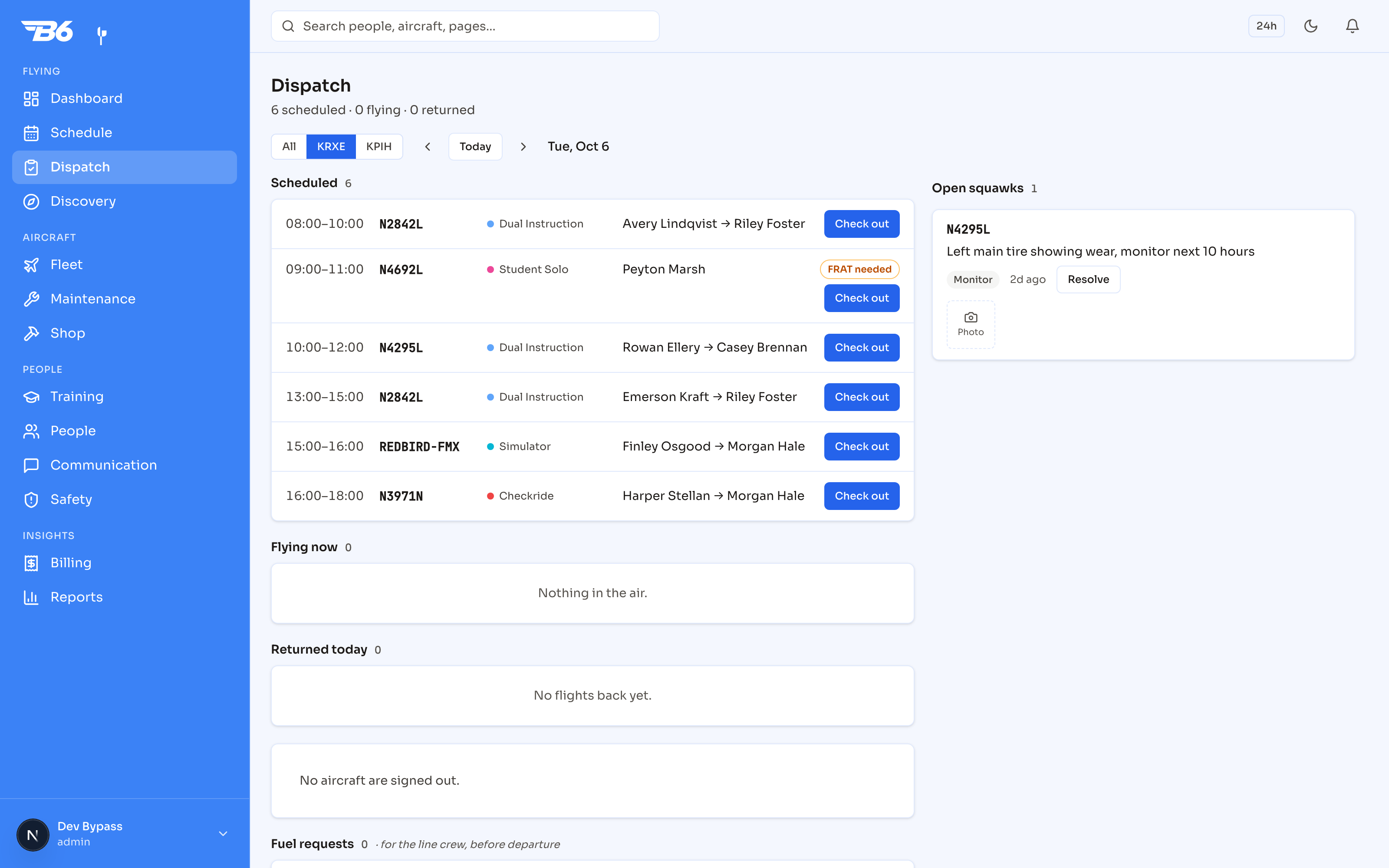
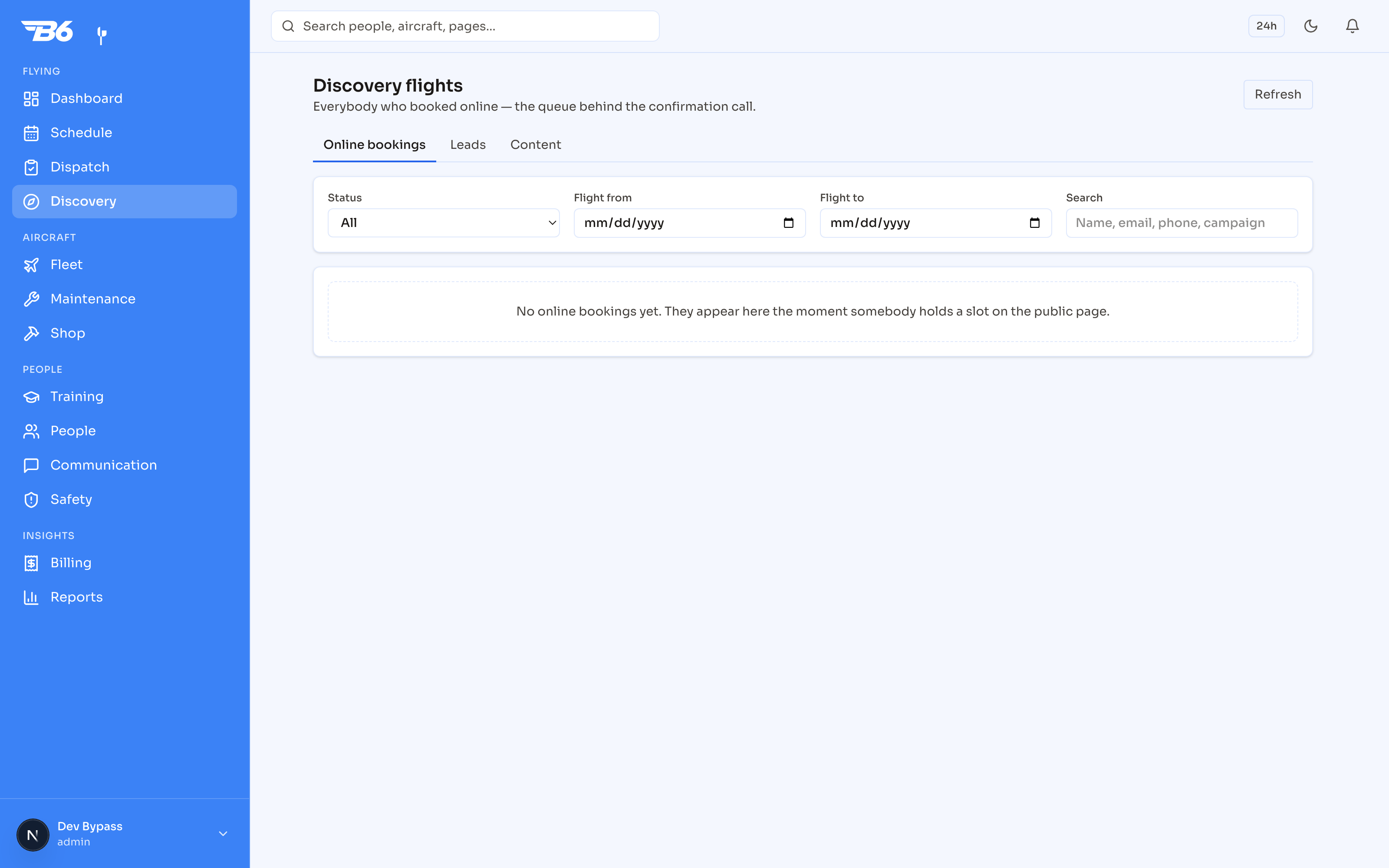
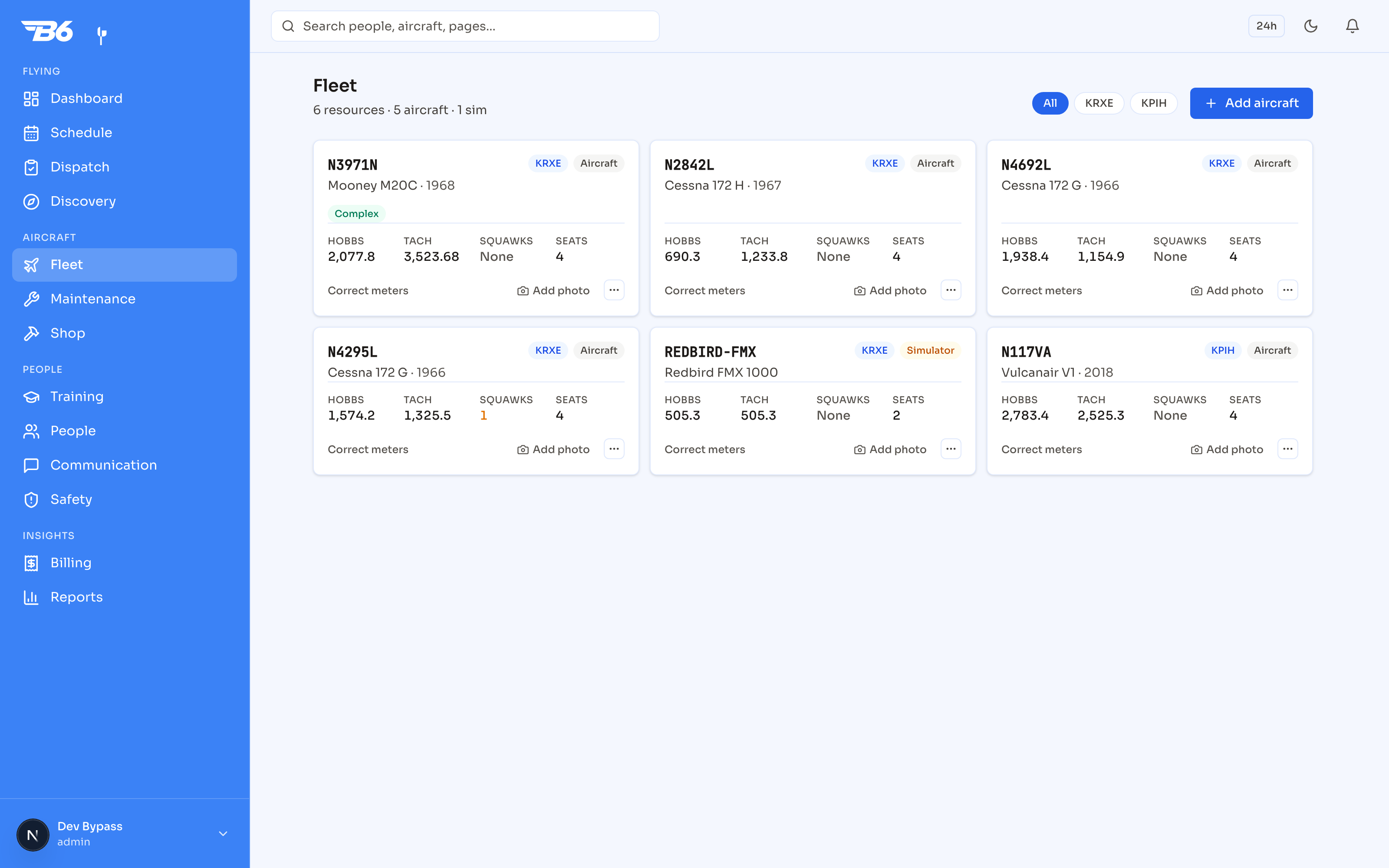
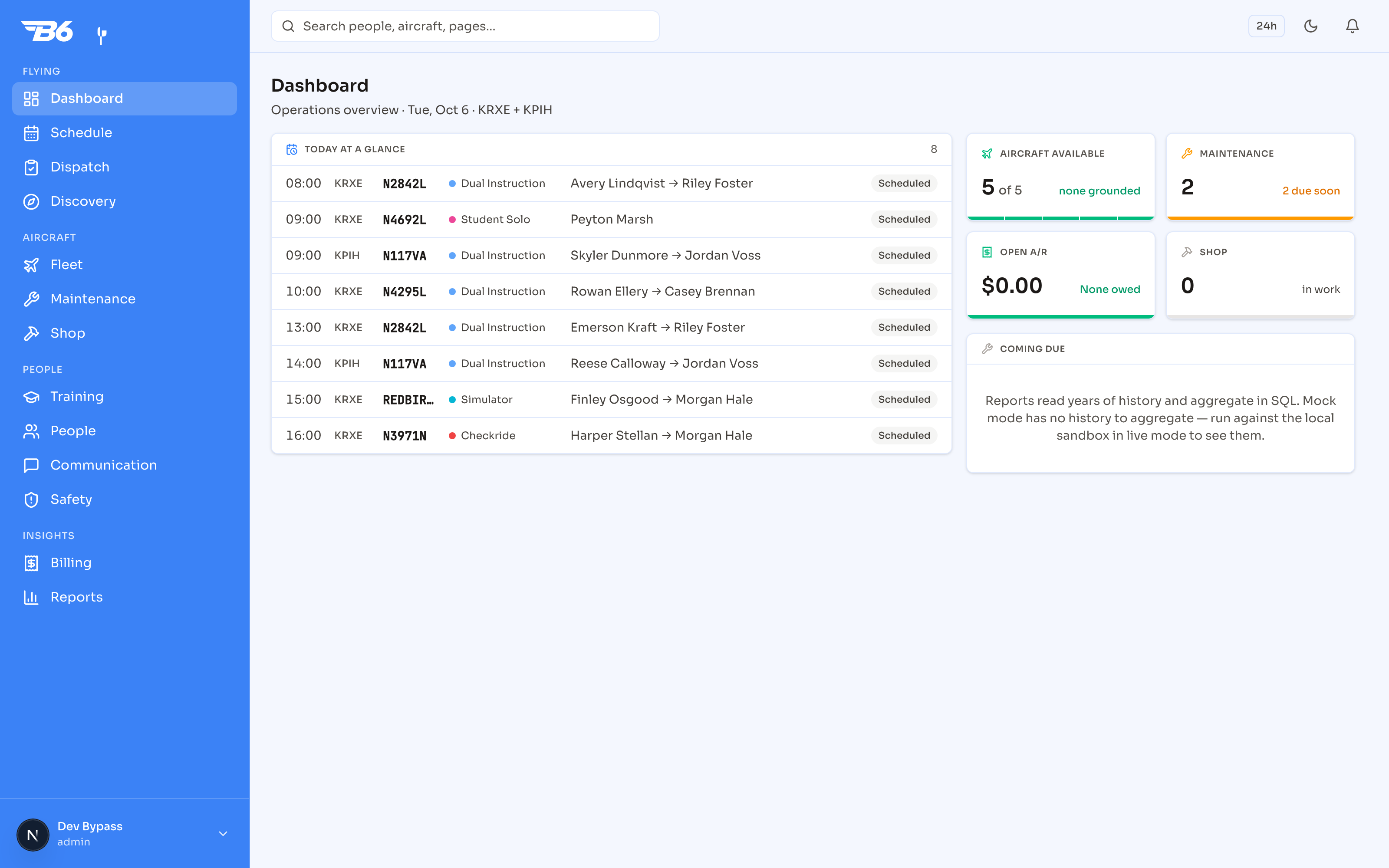
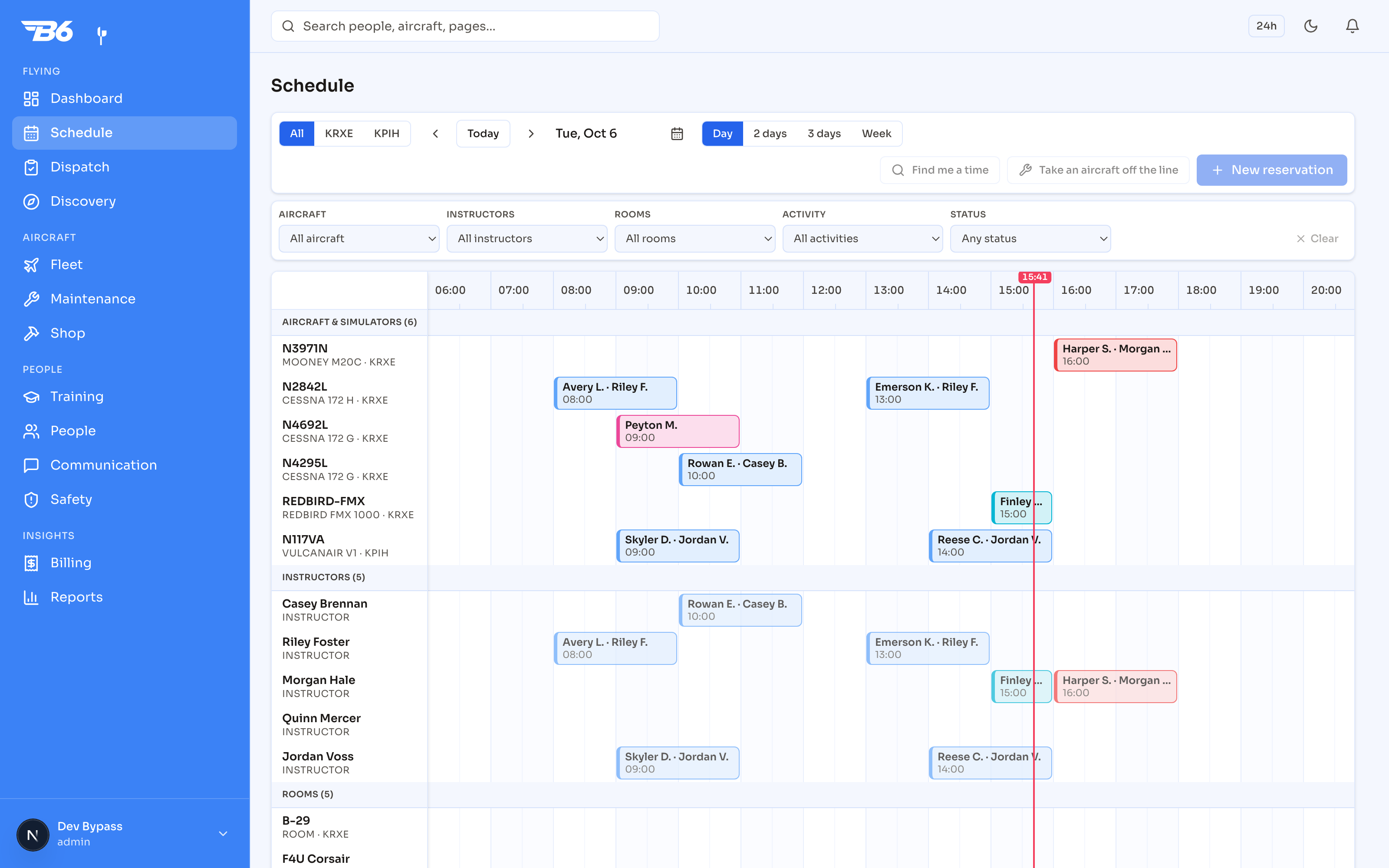
FlightOps operations overview — today's flights, aircraft availability and maintenance due

Operations overview — today's flights, aircraft availability, maintenance due.
Booking board Part 141 syllabus Maintenance triage

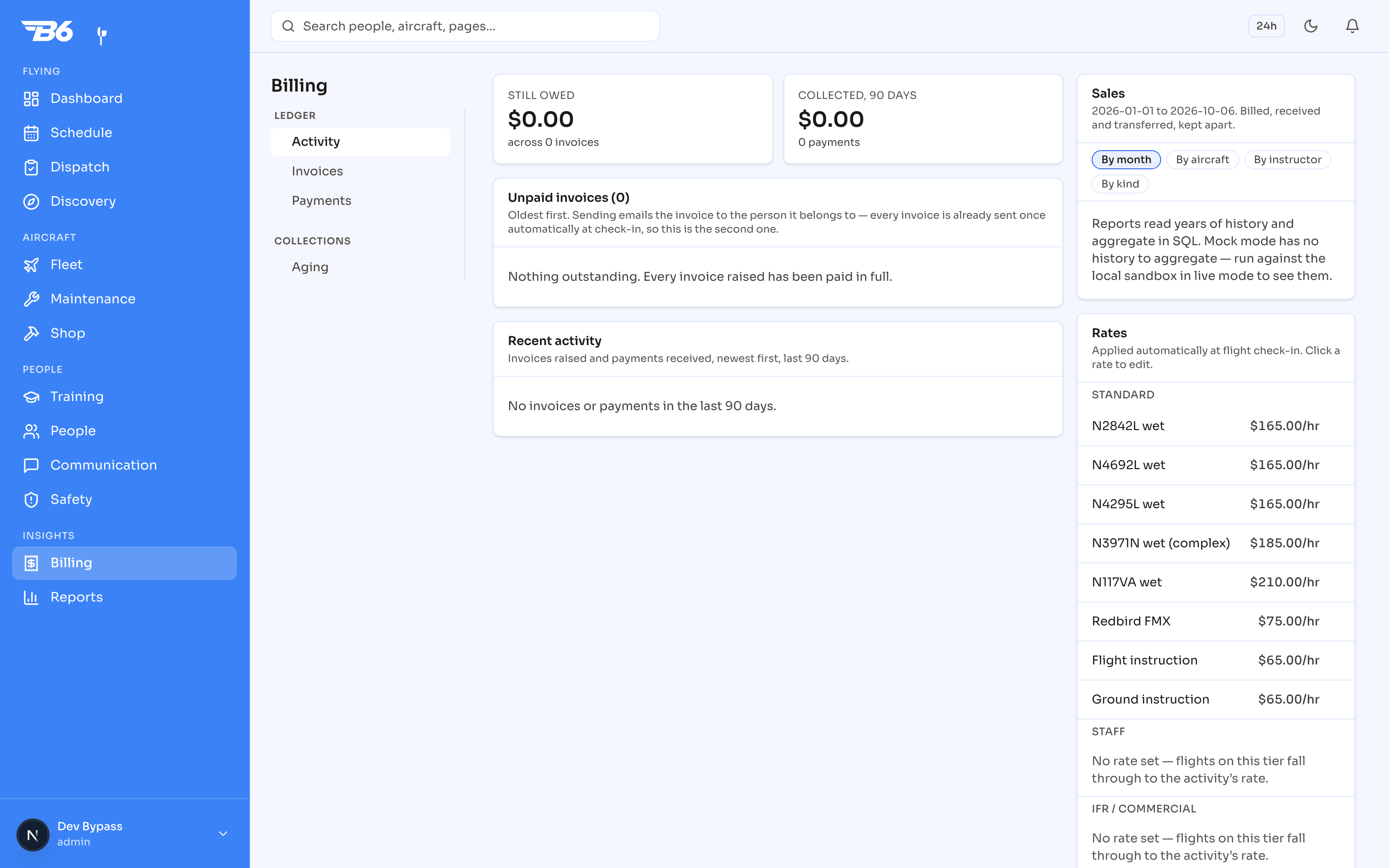
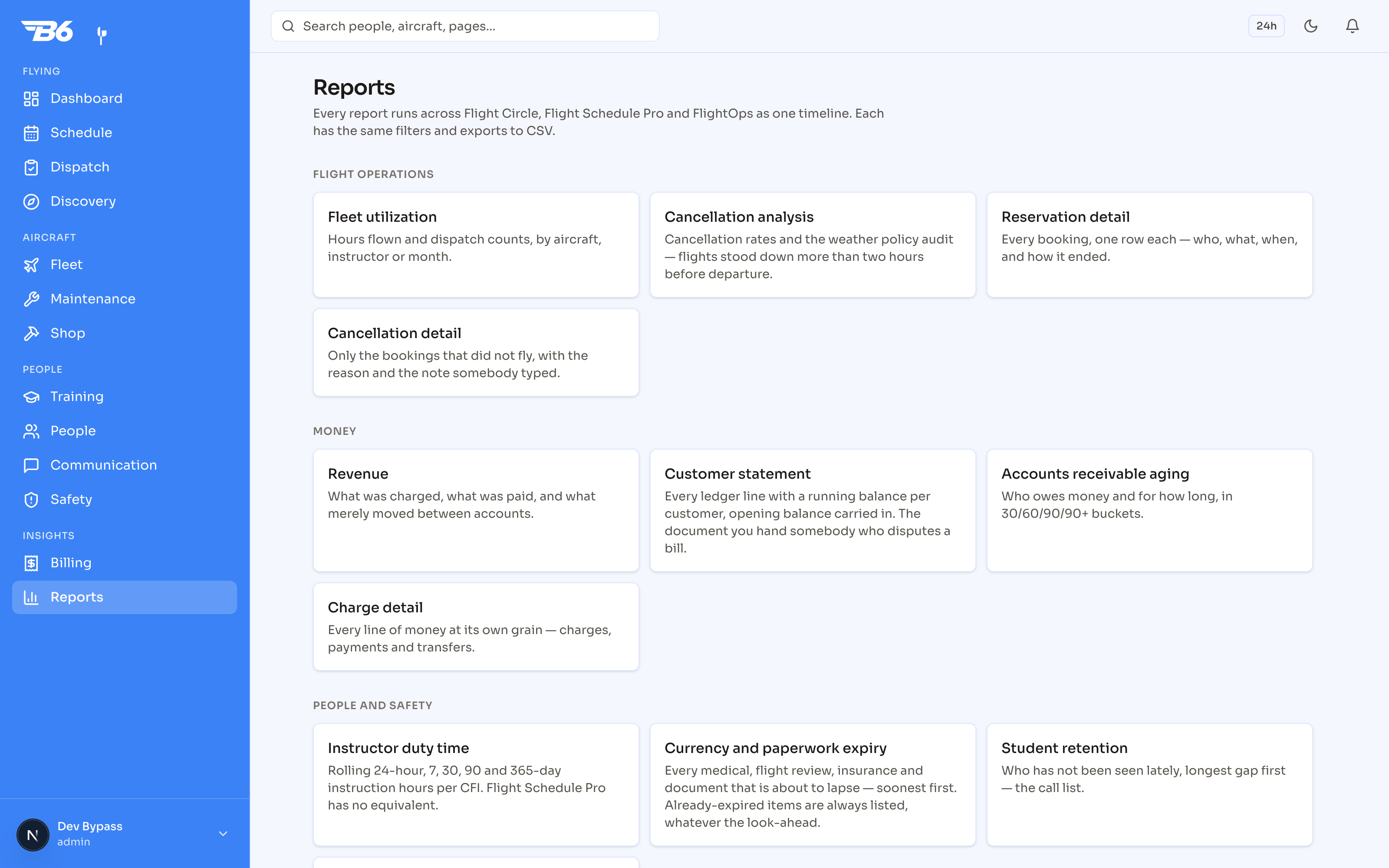
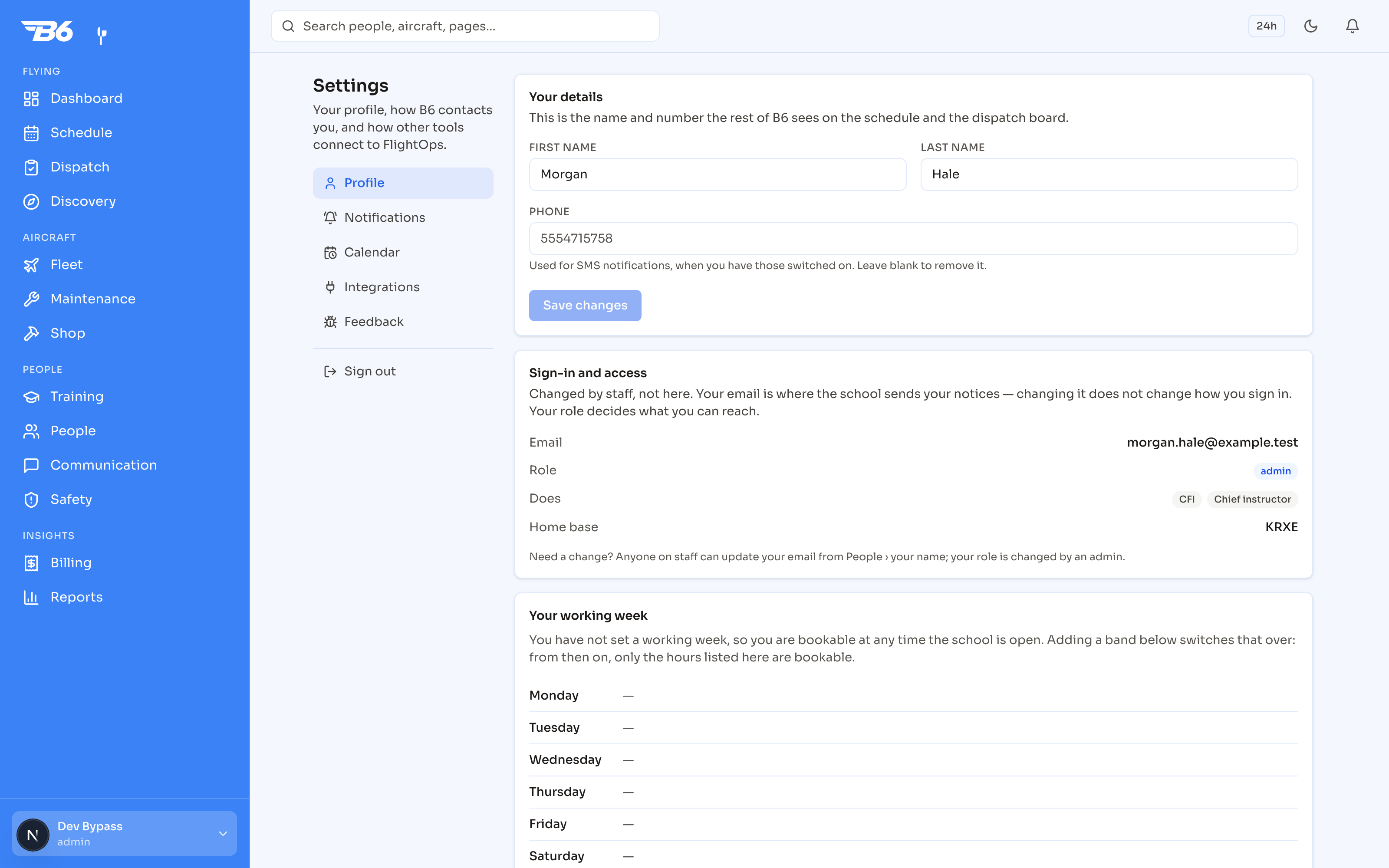
All 14 screens are in the gallery below.
Client Reporting

client-reporting

Lead developer · 22k lines · 71 clients · six data sources

Problem

Producing monthly client performance reports was mostly data entry: pulling analytics, ad spend, search rankings, local rank tracking and reviews by hand, then computing period-over-period change before anyone could write a word of analysis.

Approach

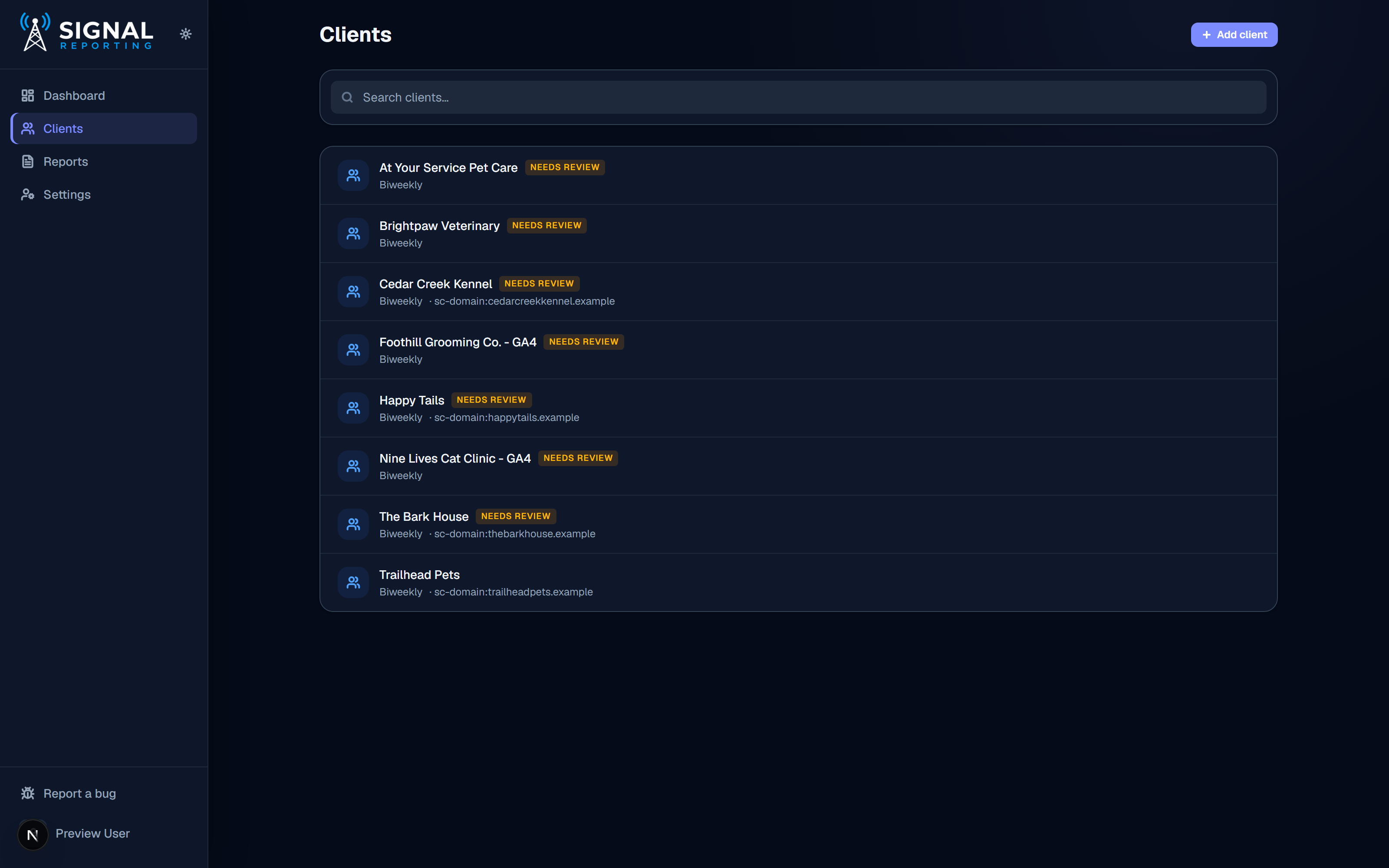
Staff register a client once; the tool pulls every source on a per-client schedule and generates a mostly pre-built deck. The hard part was matching clients to their accounts in each external system by name. An early version silently linked a client to the wrong ad account when a near-identical name existed — a report that was confidently, invisibly wrong. The matcher now auto-links only on an exact normalised match with no look-alike sibling; anything ambiguous stays unlinked and surfaces candidates for a human.

Outcome

71 clients on automated reporting, with the team writing only narrative and strategy. Reports are frozen snapshots rather than live queries, so reopening one in December shows the numbers captured in August — rankings roll over and account links change, and a report that silently rewrites itself is worse than no report.

Next.js Google Ads API Search Console Google Slides API scheduled jobs error isolation
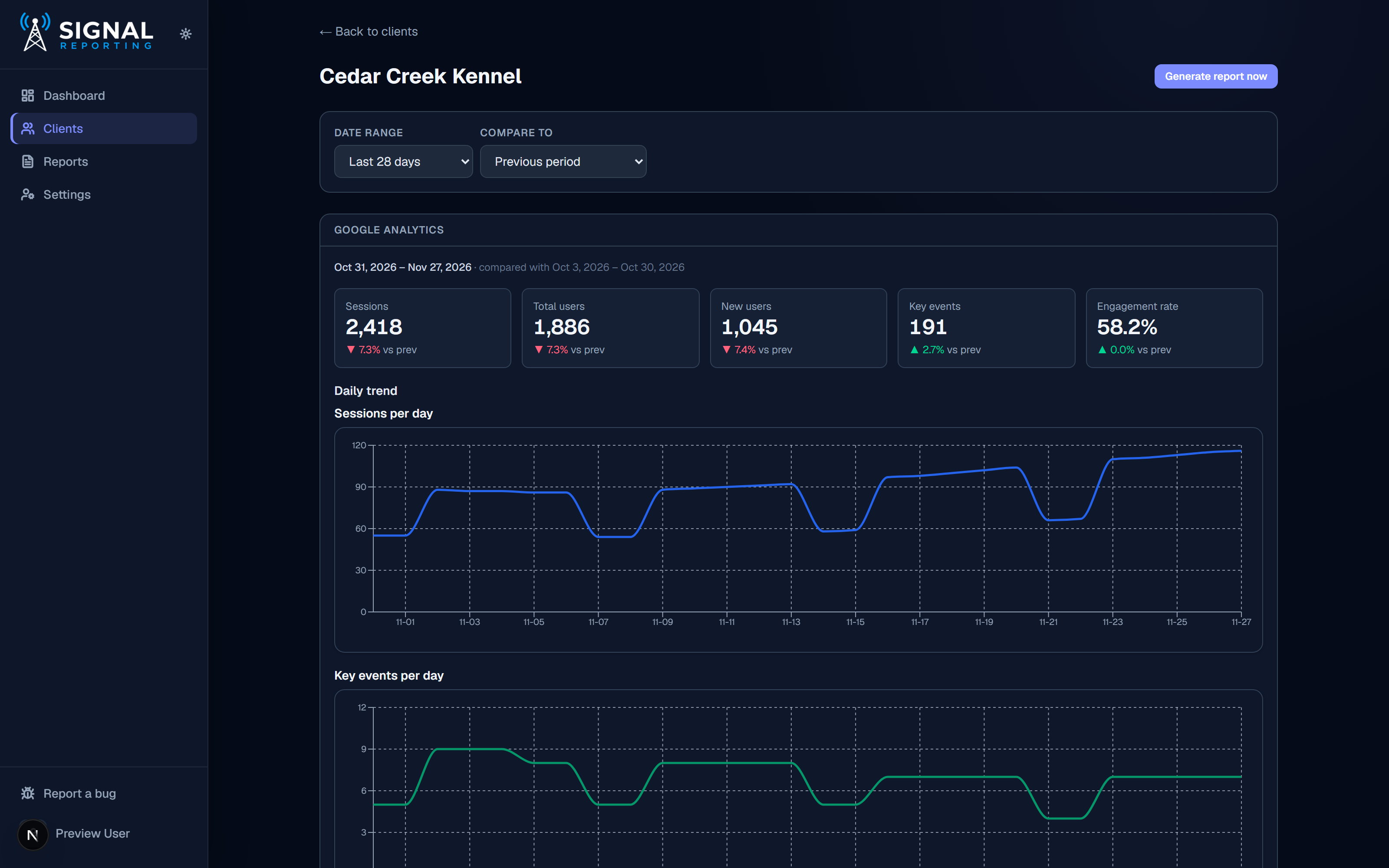
Per-client analytics with period-over-period comparison

Per-client metrics against the previous period, pulled on a schedule.

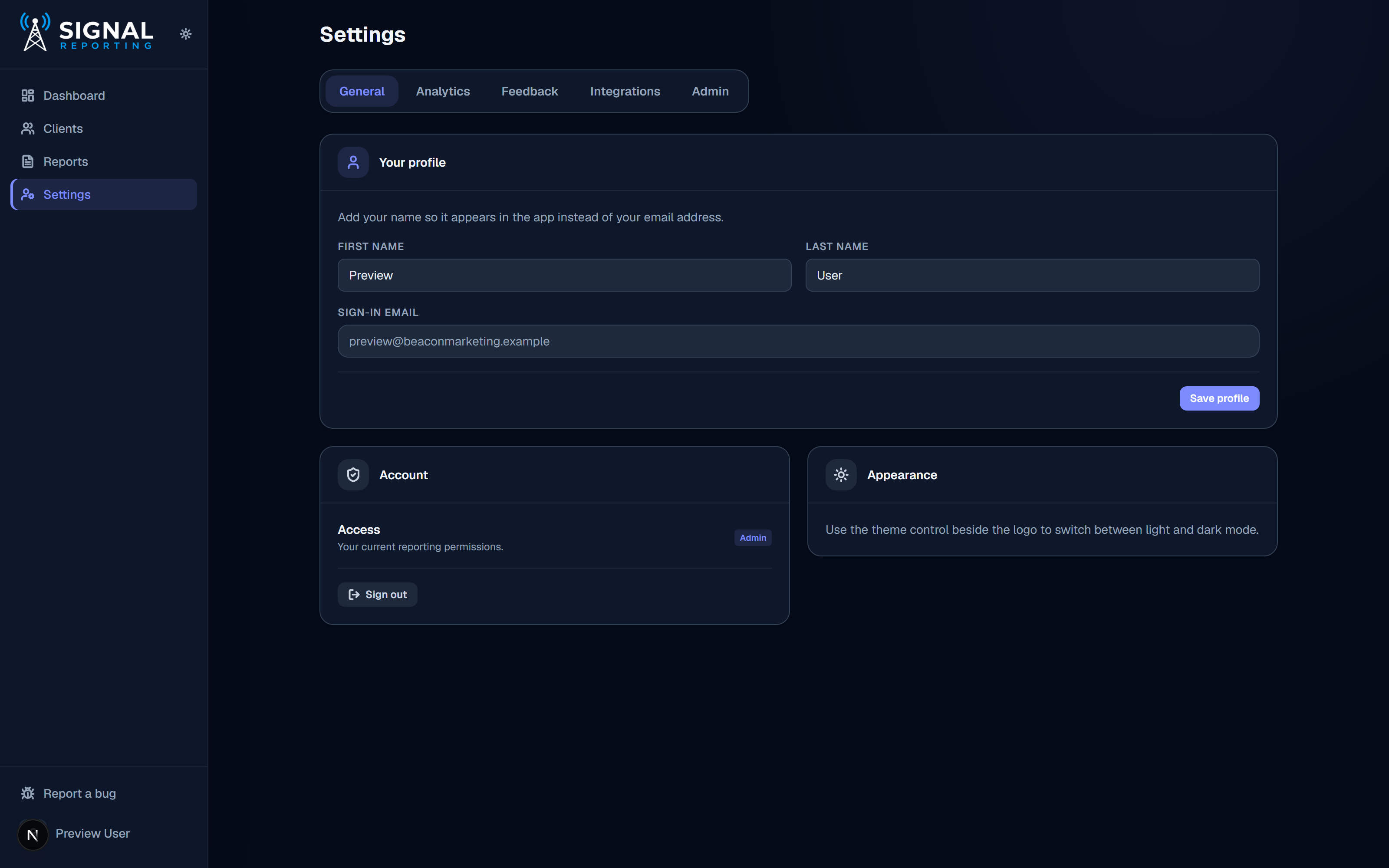
Client roster, with unmatched accounts flagged for review Report list Settings

The roster thumbnail shows the matcher refusing to guess — every ambiguous client sits at needs review rather than being linked silently.

Executive Intelligence

bi-dashboard

Sole author · 11k lines · seven source systems

Problem

Leadership wanted recurring revenue movement, churn, lifetime value, package economics, staff capacity and acquisition cost in one place. Every source system could answer "what is true right now" — and every number that mattered was a trend.

Approach

A scheduled job writes an immutable, date-stamped snapshot each week, and all movement is derived by diffing consecutive snapshots. Without that the history simply would not exist: you cannot reconstruct last quarter's churn from a system that only knows about today. Two details took the longest — the revenue line uses an end-of-month level rather than a within-month average, because otherwise churn does not reconcile with net movement; and signed-but-not-started customers are excluded, because they are neither revenue nor churn and counting them makes both wrong.

Outcome

A weekly dashboard the leadership team reads, built on a history that accumulates rather than one that has to be reconstructed. The demo stubs sit at the workspace API's response envelope rather than the route handler, so each route's real normalisation, status mapping and capacity maths still runs.

Next.js 16 Amplify Gen 2 immutable snapshots QuickBooks API TypeScript
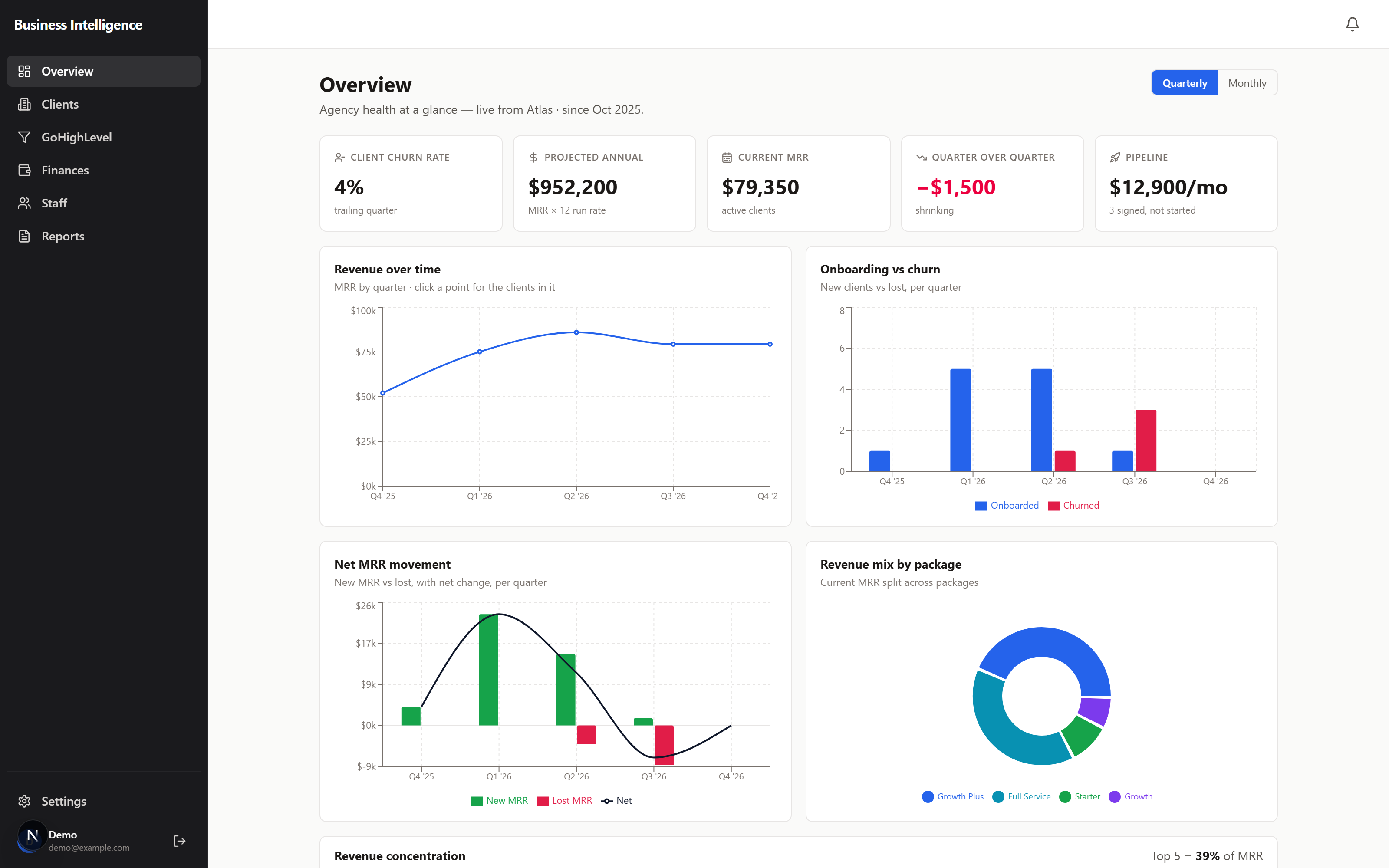
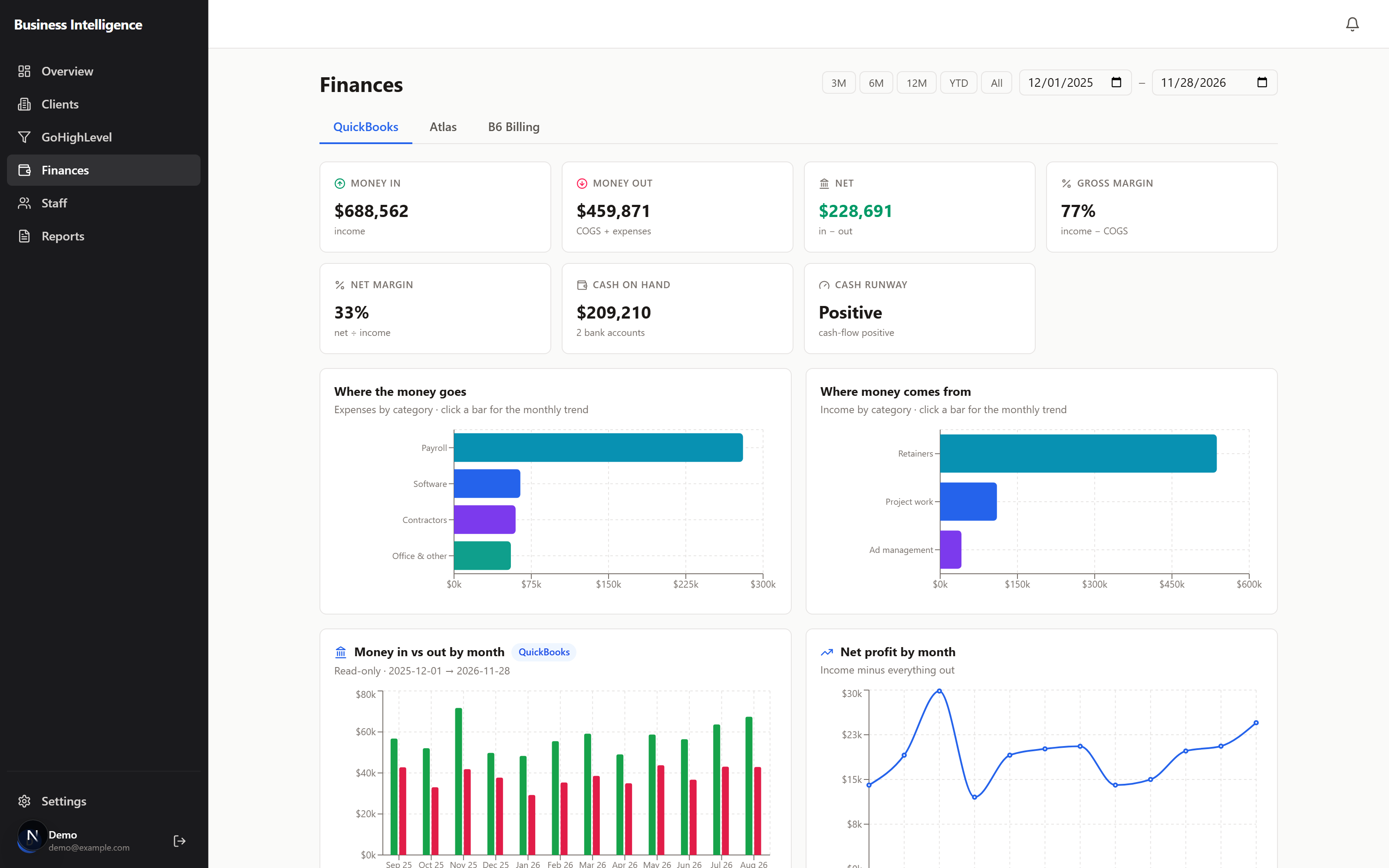
Executive Intelligence overview — revenue movement and churn

Churn, MRR movement and revenue mix — every figure derived by diffing weekly snapshots rather than read live.

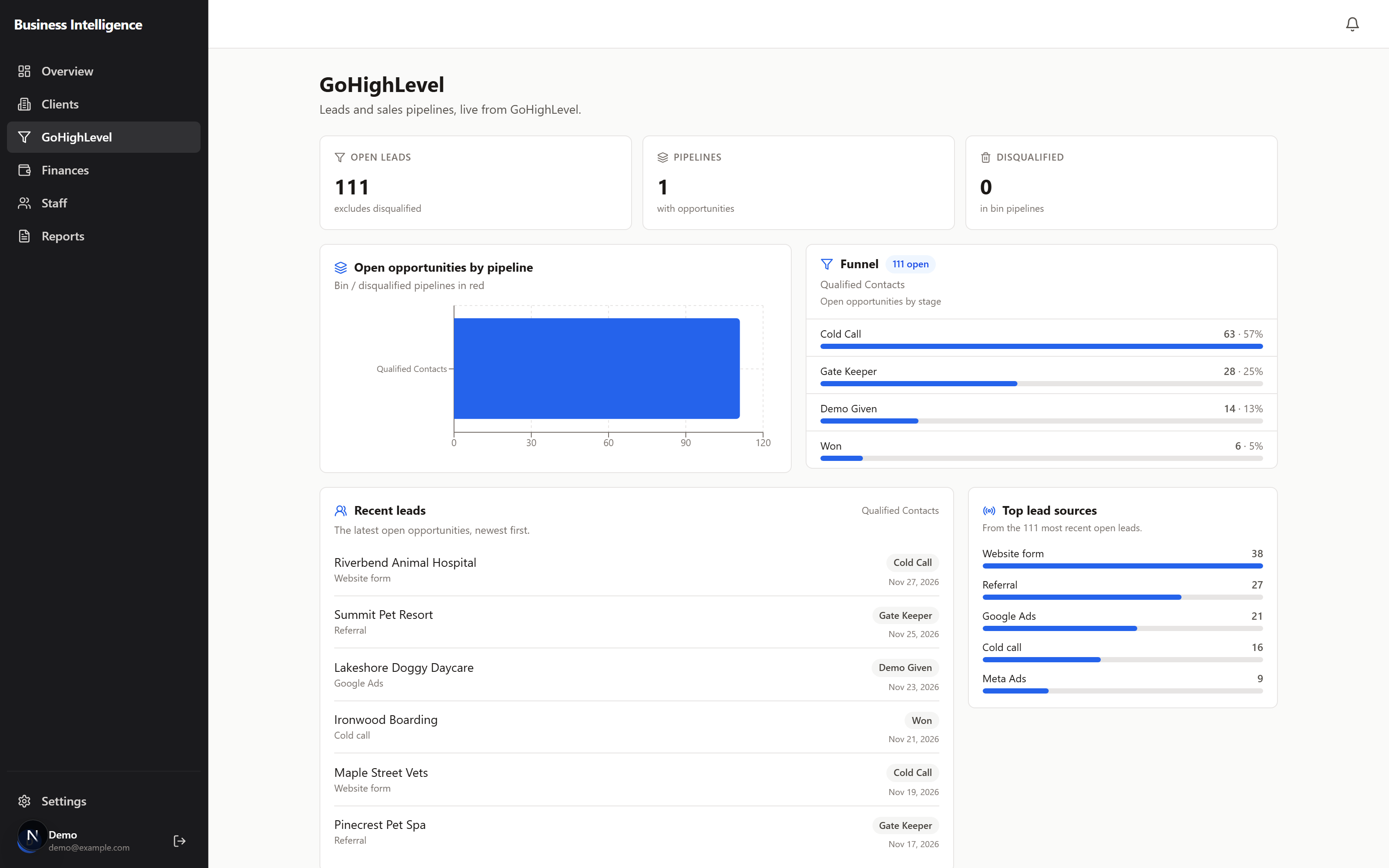
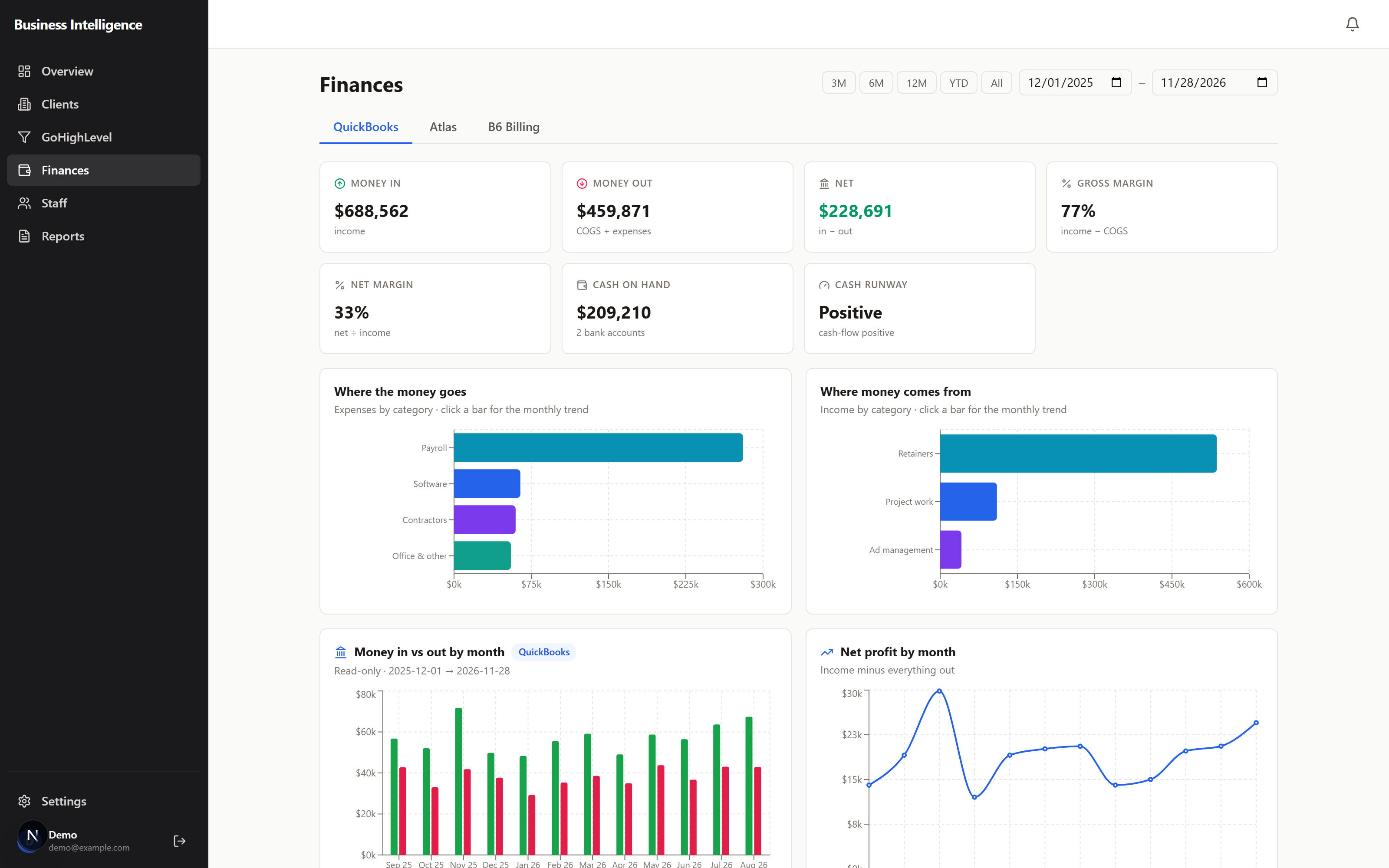
Pipeline Finances Client intelligence

Traffic Control

traffic-control

Lead developer · 19k lines · multi-tenant · Twilio

Problem

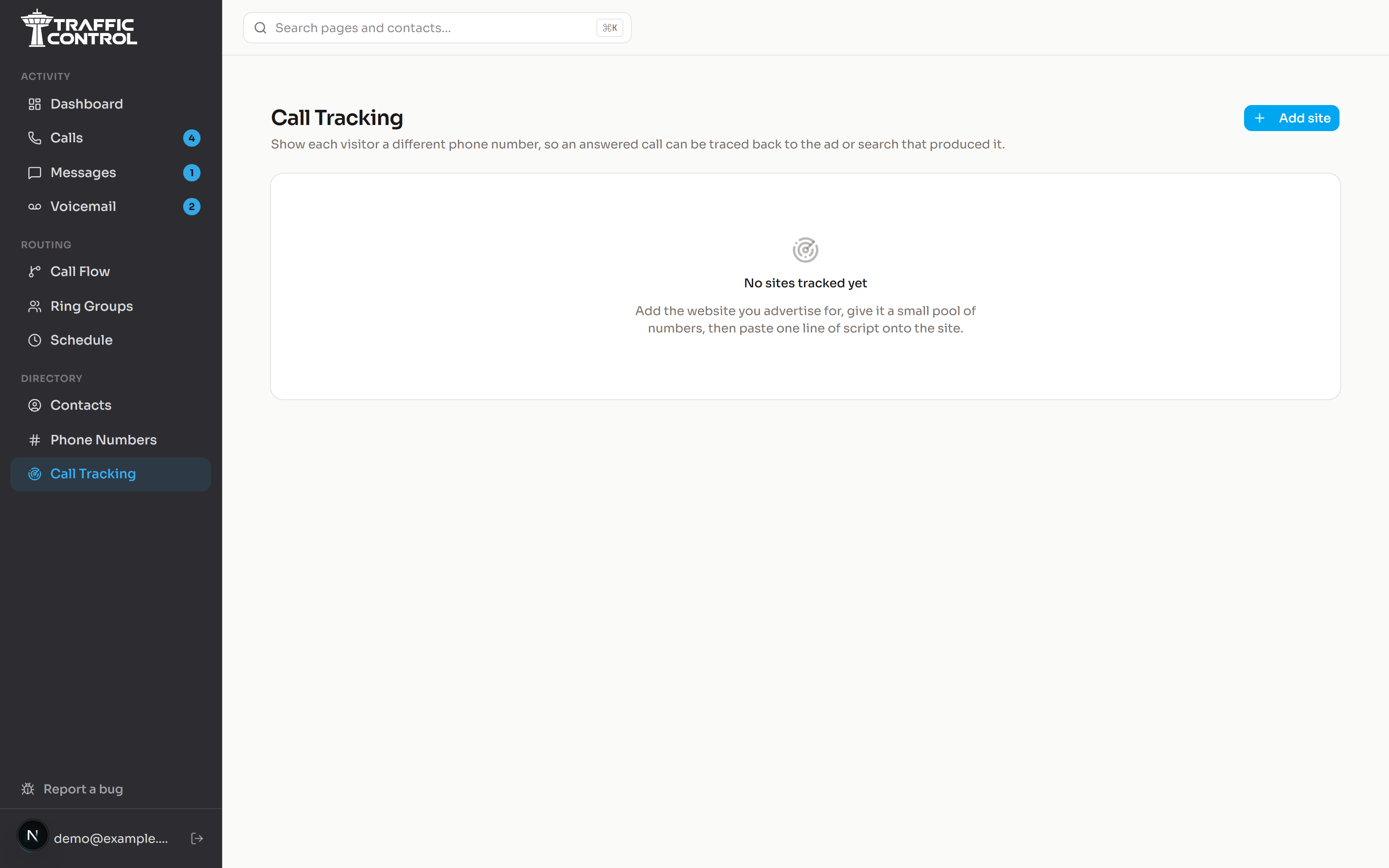
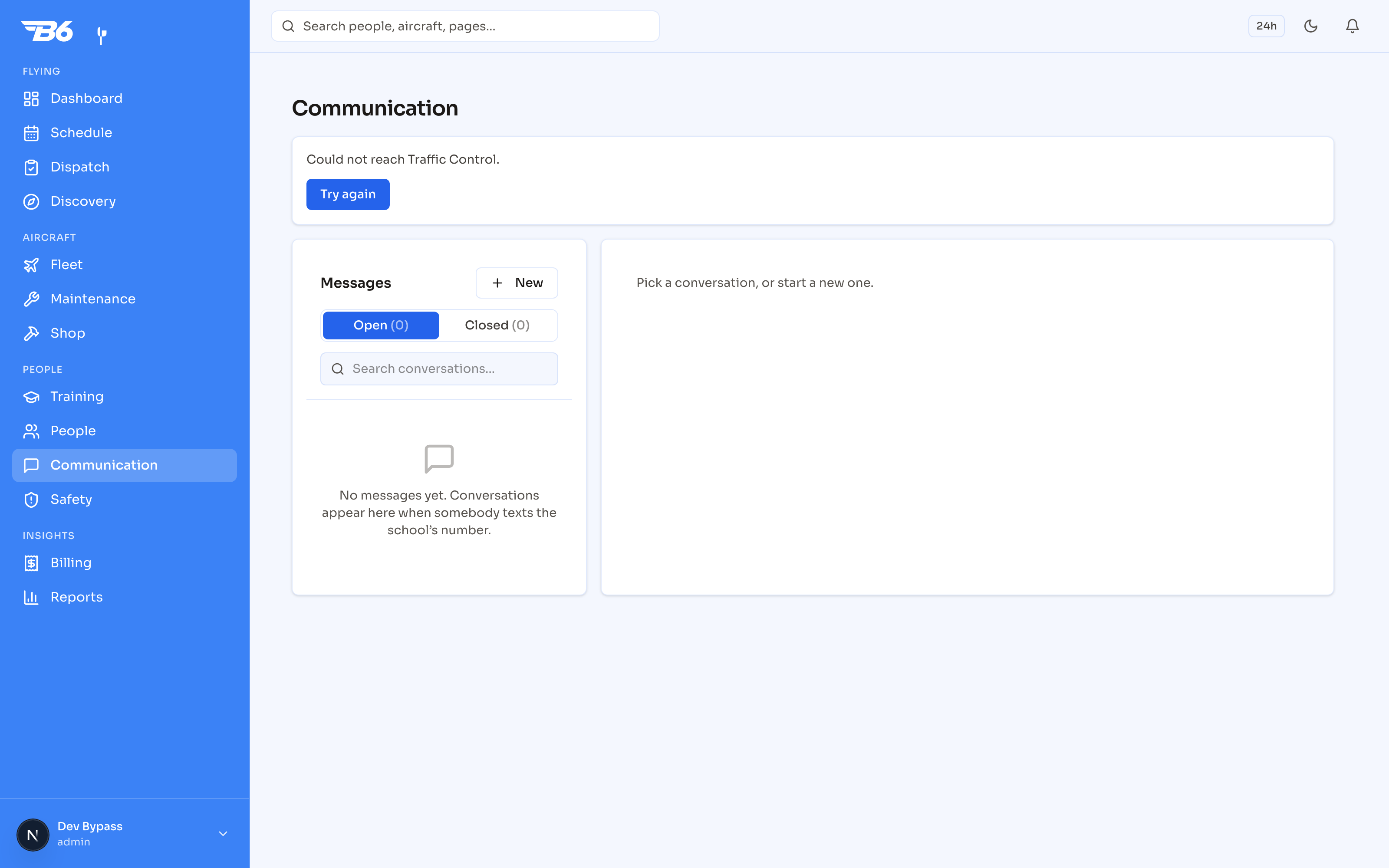
A cloud phone system sold to clients: each business gets a number with an auto-attendant, routing to staff and ring groups, voicemail with transcription, business-hours scheduling, two-way SMS and call analytics. Most of the early work was making advertised features actually true.

Approach

Ring groups offered sequential dialling in the interface but always rang everyone at once. Deleting a voicemail removed the row and orphaned the audio in storage. A missed-call auto-text could fire twice. I also migrated the data layer off its original host by writing a PostgREST-compatible emulator over Postgres, so the app kept its existing client surface while the data moved behind row-level security — the page code never had to change.

Outcome

It became a marketing attribution product as well as a phone system: a pool of tracking numbers, a per-visitor lease, and a snippet that swaps the number on a client's page, so an inbound call traces back to the ad that caused it — including the click id, which is the half of attribution that can be uploaded back to the ad platform.

Twilio multi-tenant row-level security call attribution AWS RDS signed webhooks
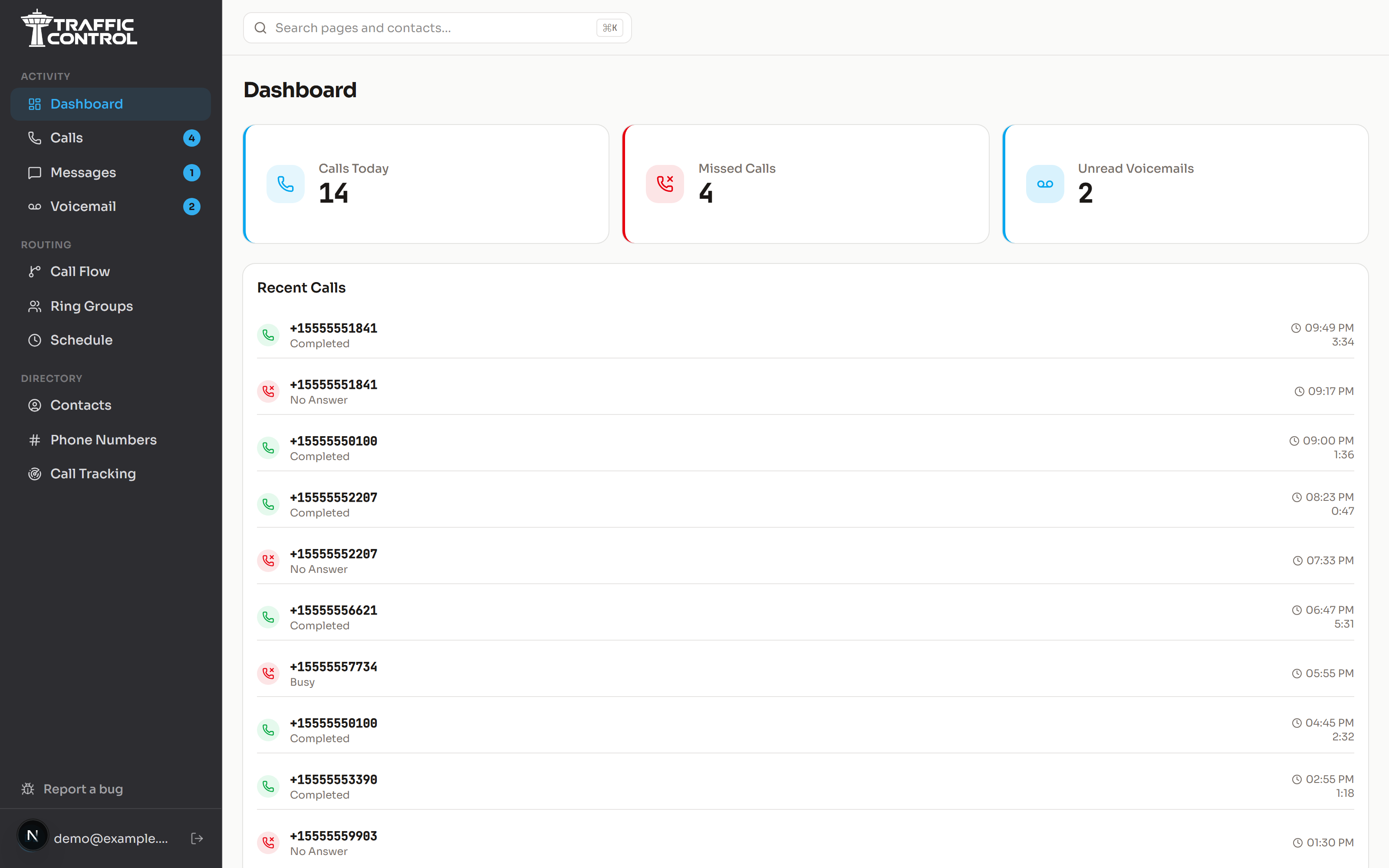
Traffic Control dashboard — call volume and recent activity

Call activity for one tenant — volume, misses and voicemail.

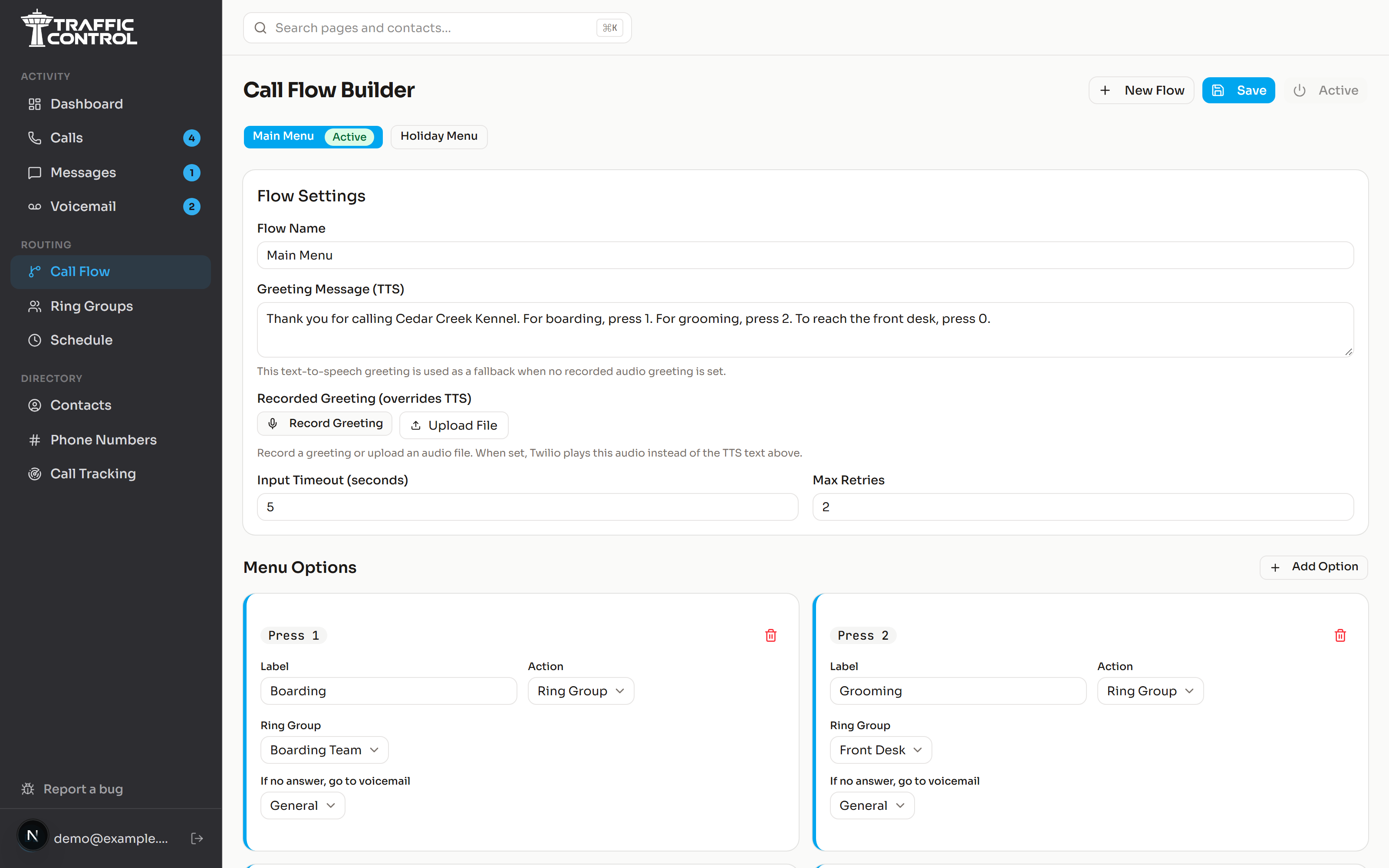
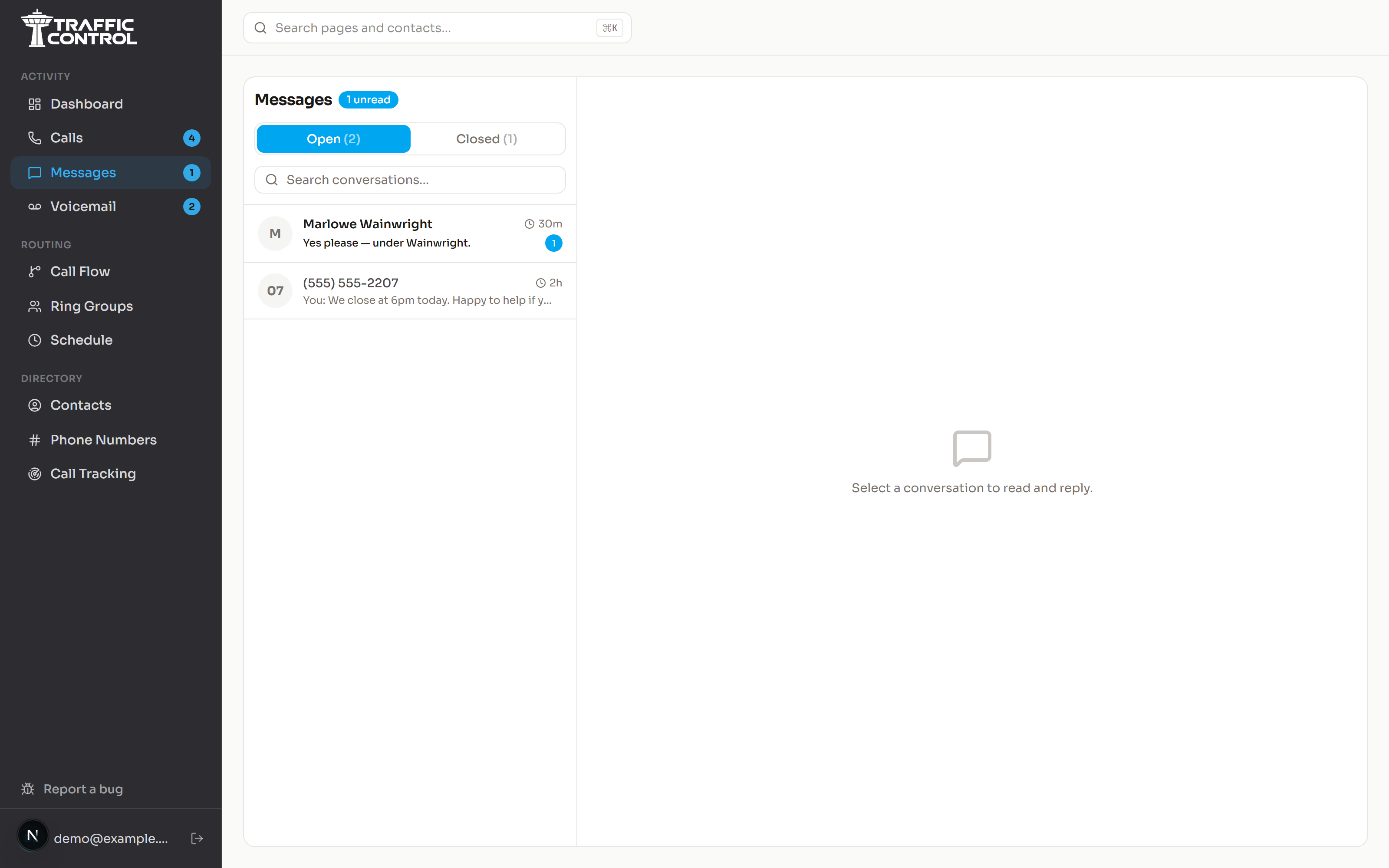
IVR builder Two-way SMS threads Call tracking and attribution

The auto-attendant builder, SMS threads, and the tracking-number pool that ties a call back to an ad.

B6 Billing

billing

Lead developer · 48k lines · live Stripe · two front ends

Problem

Flight training is expensive enough that students finance it. That means loan origination and servicing: amortisation schedules, ACH payments, autopay enrolment, payoff quotes and document signing — staff and student interfaces over one backend, moving real money.

Approach

Money systems fail in one direction: a payment taken twice is worse than a payment not taken. Every charge begins with an idempotency pre-reservation, and events are published through an outbox queue, so a retried request can never produce a second charge and an event is never published for a transaction that later rolled back. Every event records which key signed it and whether it was live or sandbox — the key prefix is the environment, so there is no separate mode flag that can drift out of step with it.

Outcome

Running on live Stripe with ACH via Financial Connections. A deletion audit log was added after a record was hard-deleted and nobody could say who did it — scoped deliberately to destructive operations only, because logging every update would make the table a write amplifier on every request.

Stripe ACH / Financial Connections idempotency + outbox AWS Lambda CDK PostgreSQL
request idempotency pre-reserve charge transaction commit outbox publish retry same key → no second charge

The reliability path. A retry meets the reservation it already made; an event cannot leave before the transaction it describes has committed.

No screenshots: billing needs a live database, identity pool and Stripe account to render, and the parts worth showing are the schema and the reliability work rather than the screens.

Interface

FlightOps, all fourteen screens

Captured from the app running on seeded fictional data — not from production, which holds real student records. Click any screen to open it full size.

Approach

Four things I believe, each learned the hard way

These are not slogans. Each one came out of a specific failure in one of the systems above, and each one changed how the next system was built.

Wrong is worse than missing

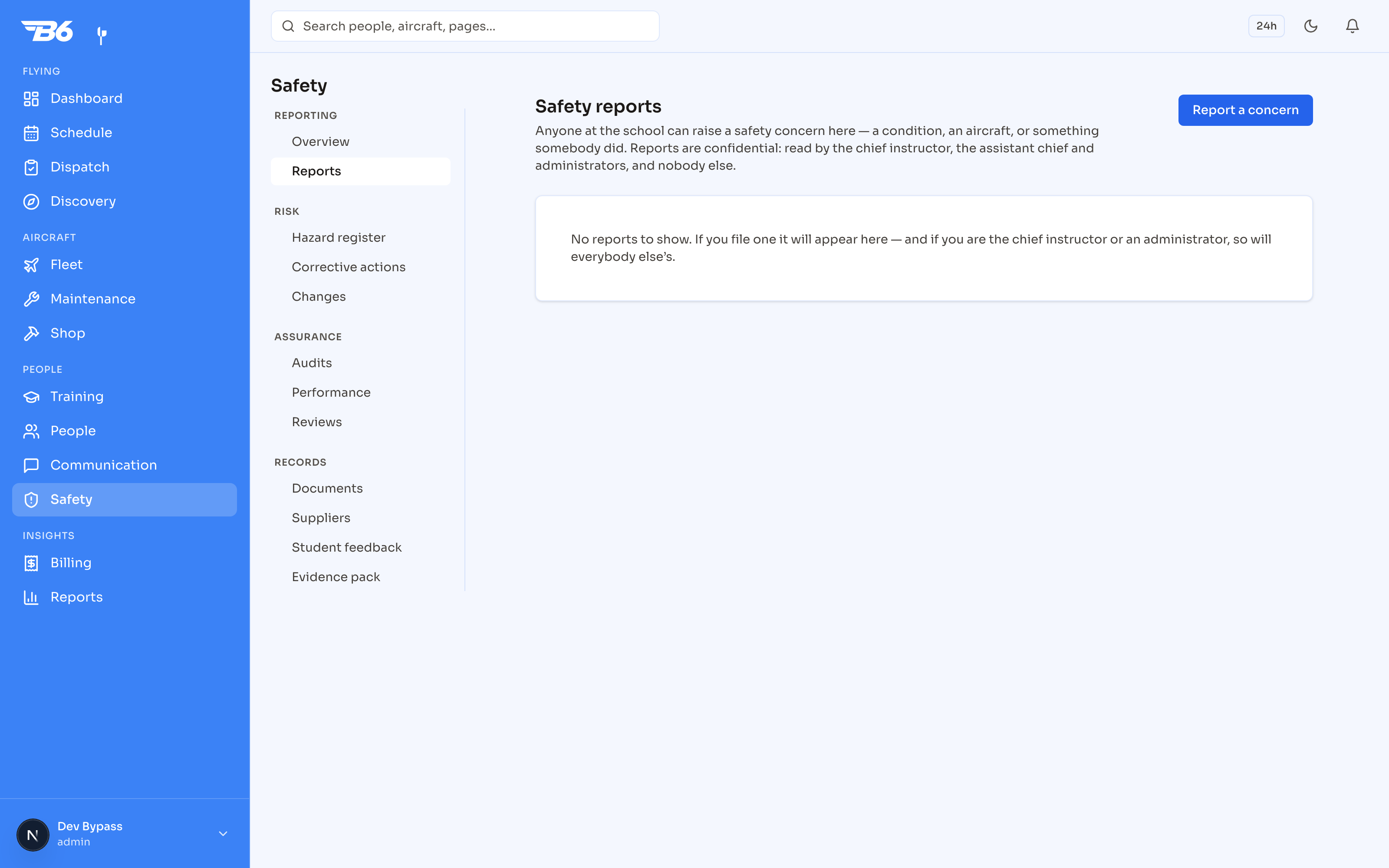
A report that silently links the wrong account is more damaging than one that fails to generate, because nobody goes looking for an error they cannot see. Ambiguity should stop and ask, not guess.

— from the client matcher in Hangar Reporting

History has to be written down

Source systems know what is true now. Trends need a record that accumulates — an immutable weekly snapshot — because you cannot reconstruct last quarter from a database that only knows about today.

— from the snapshot model in Executive Intelligence

Enforce it where it cannot be skipped

Tenant isolation lives in row-level security, not in route handlers; an append-only audit log is a database trigger with a test that tries to break it. A rule enforced by convention is a rule that a future migration quietly removes.

— from FlightOps and Traffic Control

Shipped and true are different

Ring groups that claimed sequential dialling and rang everyone at once had already been sold. Features that look finished in a demo and fail in week three cost more than missing ones, because someone has already promised them.

— from the first months of Traffic Control

Stack

What I work with

All five systems share a deliberate house pattern — the first established it and each one after reused it, so a developer moving between them finds the same shapes.

Application

  • TypeScript
  • Next.js (App Router)
  • React
  • Tailwind
  • Node

Data

  • PostgreSQL
  • Aurora
  • DynamoDB
  • row-level security
  • SQL migrations

Infrastructure

  • AWS Lambda
  • Cognito
  • EventBridge
  • S3
  • Parameter Store
  • CDK
  • Amplify Gen 2

Integrations

  • Stripe
  • Twilio
  • Google Ads
  • Search Console
  • Google Slides
  • QuickBooks

About

Who is doing the building

I am a computer science student who spent 2026 building production software for a marketing agency and its clients — five systems that real businesses depend on daily, rather than coursework.

What pulls me toward the back end is that the consequences are legible. A schema either makes a bad state impossible or it does not. An audit log either survives the next migration or it does not. I like problems where being careful is measurably different from being fast, and I have a habit of writing down why a decision was made, in the migration or the module header, for whoever hits it next.

Before this I had never shipped anything anyone relied on. The gap between a project that works on my machine and a system a flight school runs its day on turned out to be mostly about failure modes — and that is the part I found I enjoy.

Something of yours

A workspace, a cockpit, a hobby — drop it at assets/about.jpg

On the code

Why there are no repository links

These systems were built for an employer and their clients, so this page describes the work rather than distributing it. There are no public repositories to link, and that is deliberate rather than an oversight.

Sanitized reading copies do exist — each project extracted at a single commit with every real name, credential, infrastructure identifier and customer record replaced by consistent fictional data, alongside a written record of exactly what was changed and how it was verified. Four of the five boot with no backend, no cloud account and no credentials, on demo data that is derived rather than random, so the systems built on stable snapshots do not contradict themselves while you click around.

If you would like to read any of it, or watch one running, ask me and I will walk you through it.

Let's talk

Open to backend, platform and infrastructure roles. The quickest way to get a feel for how I work is to ask me about one of the five systems above — the failure that shaped it is usually the interesting part.